Brampton Industrial Cleaning
You must have regular cleaning scheduled according to potential hazards, food processing capacity, food allergen presence, and regulatory checks, combined with verification documentation supporting food safety protocols, inspection results, and public health standards. The following sections detail critical cleaning system elements.
Important Highlights
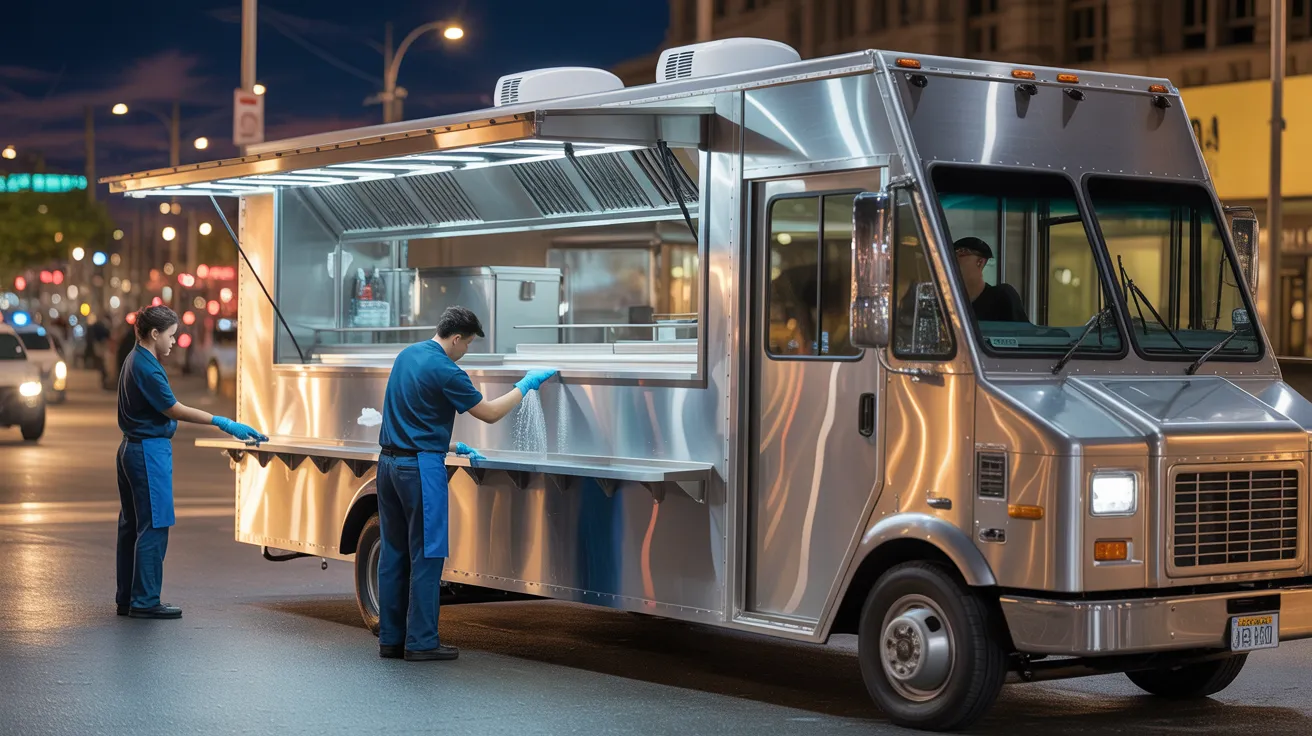
- Brampton sanitation experts support restaurants, grocery departments, commissaries, warehouses, bakeries, schools, mobile vendors, and allergen-sensitive operations.
- Cross-contamination reduction is achieved by cleaning frequently contacted areas, food-contact equipment, kitchens, floors, drains, restrooms, and storage areas with zone-based workflows.
- Verification of proper chemical concentration, compatibility, and contact time is executed by approved vendors, with finalization recorded using checks, assessments, and remedial documentation.
- Sanitation timelines must adhere to threat, production rate, changeovers, accidents, and regulations, with regular, periodic, and periodic duties distributed by section.
- Suppliers ought to possess hazard analysis knowledge, health regulatory expertise, safety training education, liability, endorsements, color-coded tools, and inspection-ready hygiene files.
Food Safety Cleaning Requirements for Brampton Establishments
Any Brampton facility that processes, stores, prepares, packages, or distributes food needs food sanitation. You must implement it if your business falls under health department oversight, food regulations, or HACCP requirements. That requirement covers restaurants, cafeterias, commissaries, grocery food departments, butcher shops, seafood counters, convenience stores, and institutional kitchens.
You also need adherent sanitation protocols in distribution centers, food processing plants, freezer facilities, commercial bakeries, educational nutrition programs, event spaces, and catering hubs. Portable and seasonal businesses count too, including mobile kitchens, festival sellers, and temporary food stands. If your staff work find the facts with raw supplies, divide prepared foods, warm dishes, or organize allergen inventory, your facility needs established sanitation documentation. In Brampton, sanitation isn't optional; it's part of regulatory, business, and safety compliance.
What Do Brampton Cleaning Experts Clean?
You need professional cleaners who sanitize high-touch surfaces, kitchen areas, floors, and bathrooms to comply with food safety and health regulations. They target these areas because they present the highest risk for contamination spread, slip hazards, and sanitation breaches.
By knowing exactly what gets cleaned, you are able to confirm your facility's cleaning procedures satisfy all operational and regulatory requirements.
Prioritizing High-Touch Surface Sanitizing
develop a sanitizing schedule
sample analysis to validate cleaning results
Kitchen Areas, Floor Surfaces, and Bathroom Spaces
Brampton cleaning professionals will handle kitchens, floors, and restrooms since each space presents separate hygiene concerns, injury, and community health challenges. In industrial kitchens, you need degreasing on cook lines, equipment exteriors, drains, prep surfaces, and splash zones to reduce contamination and pest pressure.
Professional floor care with documentation is also included. is likewise provided as part of the service.
For restroom sanitation, cleaners sanitize touchpoints, fixtures, partitions, dispensers, and waste containers, then replace products and reduce odor. They also service restaurant moprooms, where chemical storage, sink hygiene, and drainage conditions can affect sanitation compliance and staff safety daily.
Why Food Safety Cleaning Matters in Brampton
To adhere to health code requirements and pass inspections, Brampton facilities must follow appropriate cleaning protocols. You also minimize cross-contamination by cleaning and sanitizing food-contact surfaces, equipment, and high-touch areas correctly. Most importantly, you help protect public health by lowering the risk of foodborne illness in your facility.
Food Safety Regulations
Food establishments in Brampton face rigorous sanitary regulations, making food safety cleaning essential to meeting health code requirements, protecting patrons, and avoiding enforcement action. You must maintain sanitary food-contact surfaces, written maintenance records, proper chemical use, and traceable training practices that correspond to municipal and provincial inspection expectations.
Robust sanitation supports allergen control by minimizing particles on common tools plus regularly touched locations. If your cleaning standards deteriorate, you face infractions, corrective directives, reputational damage, and possible interruption to service during subsequent audits or regulatory actions.
Cross-Contamination Prevention
Maintaining regulatory compliance copyrights on your power to stop cross-contamination during daily food handling and cleaning. You need to partition uncooked items from finished dishes, sterilize work zones between assignments, and position cleaning agents away from food surfaces. Clear procedures reduce transfer risks and reinforce steady regulatory adherence.
You could implement allergen segregation to stop main allergens from reaching shared surfaces, containers, or equipment. Use dedicated cutting boards, color-coded tools, and strict utensil labeling so team members avoid blending products throughout cooking or delivery. Enforce washing hands following uncooked meat, fish, egg products, or allergens. Swap cleaning rags frequently, and check sanitizer strength with test strips. When employees learn these procedures each shift, you develop a more sanitary, secure business that matches Brampton's safety requirements daily.
Public Health Defense
If proper sanitation deteriorates, you don't merely face potential inspection issues—you amplify the risk of pathogenic contamination affecting customers, staff, and the broader Brampton region. You also weaken your role in safeguarding community wellness, especially in busy food facilities where contamination can spread quickly through surfaces, equipment, and touchpoints.
You require sanitation protocols that remove contaminants, disinfect correctly, and verify outcomes. This requires following exposure times, employing authorized sanitizers, logging schedules, and instructing staff to meet regulatory standards. These controls promote pathogen reduction by decreasing microbes before reaching food or hands. Across Brampton, strong cleaning safeguards vulnerable groups, reduces disease potential, and demonstrates accountability. When you maintain proper protocols, you exceed regulations—you meaningfully reduce risk and facilitate secure food handling city-wide.
How Can Cleaning Practices Ensure Food Safety Compliance?
Committing to rigorous cleaning routines solidifies food safety compliance by reducing contamination risks, preventing pathogen multiplication, and ensuring your facility complies with sanitation requirements under HACCP-based programs and public health regulations. You verify that contact surfaces remain visibly clean and microbiologically controlled, enabling documented preventive controls and inspection readiness.
Systematic cleaning also enhances allergen mitigation by extracting residues that can cause undeclared allergen exposure. When you combine verified sanitation methods with standards training, your staff can adhere to standardized methods, use approved chemicals appropriately, update records thoroughly, and address irregularities before issues intensify. Regular cleaning facilitates product tracking, verifies corrective steps, and exhibits commitment in audits. Moreover, it supports you safeguard product safety, maintain operational compliance, and lower the chances of compliance actions, recalls, grievances, and unnecessary health hazards.
How Should You Schedule Commercial Cleaning Work?
spill incidents, and following-maintenance work
facility closures, seasonal soil accumulation, or pest pressure periods
Finding Quality Brampton Cleaning Experts: A Guide
Evaluate providers first by sanitation compliance standards rather than cost. You must ensure each provider understands CFIA, public health, and HACCP requirements for your business. Request insurance proof, WHMIS compliance, staff training documentation, and supervision methods. Check technician awareness of contamination prevention, chemical safety, and traceable sanitation records.
You should also assess operational reliability and responsibility. Request references from Brampton food businesses, then examine response times, corrective-action procedures, and communication standards. Confirm the company participates in supplier audits and can present inspection-ready documentation when regulators or third parties request evidence. Check whether equipment maintenance is performed, color-coded implements are used appropriately, and facility-specific risks are recognized. A qualified provider protects compliance, product quality, and your brand reputation.
What details should a sanitation plan contain?
Create a written plan that defines every sanitation task, standard, and responsibility prior to beginning production. You should document cleaning frequencies, approved chemicals, dilution rates, contact times, tools, and verification methods for each zone, surface, and piece of equipment. Be sure to include pre-operational inspections, corrective actions, and employee training requirements.
Your framework should also include cross-contamination prevention, waste disposal, pest management measures, and scheduled documentation for restrooms, drains, floors, and food-contact areas. Clarify how you'll distinguish raw from ready-to-eat operations, support ingredient tracking, and copyright accurate allergen labeling through validated cleaning between product changes. You should define accountability, maintain signed records, and check results against regulatory standards, HACCP controls, and customer requirements. When gaps appear, revise procedures immediately and re-educate staff.
Frequently Posed Questions about the Plan
Can sanitation providers accommodate nighttime operations in Brampton facilities?
If you operate controlled facilities, you'll also require records that support inspections and maintain compliance.
Can sanitation professionals handle emergency spill response?
Yes, you can find many Brampton sanitation experts offering spill containment options. They handle contamination, assess dangers, isolate zones, and execute rapid cleanup to reduce exposure and prevent disruption. You should confirm timeframes, certifications, safety measures, and procedures. If your facility needs compliance, pick a provider that documents incidents, follows procedures, and supports audits.
Can green disinfectants be used safely on food-contact surfaces?
Yes, plant-based sanitizers can be suitable for food preparation areas if you pick products labeled food safe and satisfying regulatory requirements. You should check exposure duration, dilution rates, and rinse procedures before use. Many natural-based solutions lower chemical burden, but you require demonstration of efficacy against target microorganisms. To preserve residue-free areas, you should adhere to manufacturer directions precisely and verify the cleaning agent complies with food industry regulations.
Can sanitation programs be tailored for seasonal shifts?
Yes, you can adjust maintenance plans for seasonal variations. You should adapt frequencies, staff levels, sanitizers, and verification steps to align with production rhythms while preserving regulatory adherence. You'll minimize production downtime by planning disinfection around production shifts, high demand periods, and operational patterns. You should additionally update procedural documents, instruction programs, and facility monitoring to address temporary risks, additional allergens, or elevated soil levels. Periodic assessments keep your strategy functional.
Do commercial cleaners train employees on sanitation best practices?
Indeed, commercial cleaning providers often offer employee coaching on proper hygiene. Your team receives training on safe chemical application, exposure durations, cross-contamination prevention, equipment disassembly, and record-keeping. They typically follow instruction with HACCP, GMP, and CFIA or local public health requirements. Many also execute compliance inspections to confirm standards, reveal issues, and reinforce corrective actions. This assists you to establish reliable processes, achieve compliance, and reduce food safety risks each day.
Summary
When you work with Brampton commercial cleaning and food safety experts, you aren't merely cleaning—you keep your operation inspection-ready and your standards above board. From processing areas to kitchen spaces, every polished surface and well-kept corner helps reduce pest intrusion and prevent costly setbacks. By scheduling service at the right intervals and following a clear cleaning plan, you safeguard staff, customers, and your reputation. In a tightly regulated environment, clean spaces aren't optional—they're fundamental to proper operations.